If you’re searching for art birthday party ideas for kids, you’ve probably noticed the problem with most party themes: they need a plan, a script, and a parent willing to referee. An art party solves that before it starts. Give kids paint, paper, and a little structure, and they entertain themselves, with no games to run and no lulls to fill. It works for a wide age range (we’ve seen it land anywhere from 4 to 9), though the sweet spot is kindergarten and early elementary, 5 to 8, when kids can follow a multi-step activity and sit with it for a while.
The other thing an art party gets you: a built-in favor. Every kid leaves with something they made, so you’re not scrambling for grab-bag filler at the last minute.
Everything below comes from our complete Little Artist Paint Party Planning Pack: invitations through thank-yous, with a full shopping list. Think of this as the why and how; the pack is the exactly-what-to-buy.
The Cake and Treats: Palette, Paintbrush, and Easy Wins
You don’t need to pipe a buttercream rose to pull off an art-themed cake. You have real options depending on how much time and patience you’ve got.
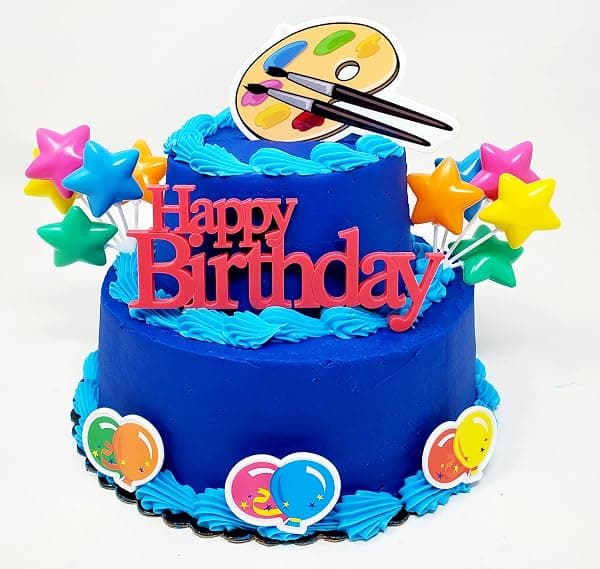
Easiest: Order or bake a plain white cake and set an artist palette cake topper on it (shaped like a painter’s palette with dabs of color molded in). It does all the theme work in about ten seconds, and it photographs well for the candle shot.
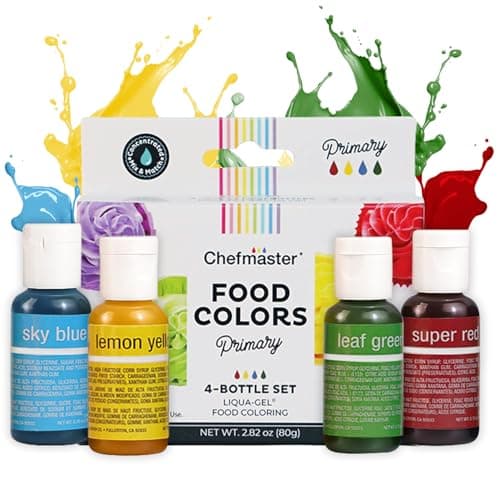
Medium effort: Make a watercolor pour cake. Frost a cake white (store-bought buttercream is fine), then thin a few colors from a watercolor-effect food coloring kit (pink, blue, yellow, teal) and drizzle them down the sides so they bleed together. It looks far more impressive than it is to make, and kids love watching the colors run.
No-bake option: Build the dessert table around color instead of a cake centerpiece. Individual paint palette fruit plates (strawberries, mandarin, pineapple, green grapes, blueberries, purple grapes in color-blocked sections) turn fruit into part of the theme. Pair with cheese, crackers, juice boxes, and a simple sheet cake for the candle-blowing moment.
Keep the food table away from the painting stations: wet paint and snack time don’t mix, and you’ll want a hand-washing stop between the two.
Setting Up a Mini Art Gallery: Decorations That Do Double Duty
The best decorating trick for an art party is letting the kids’ own work become the decor: you’re not just hanging streamers, you’re building a gallery that fills in as the party goes.
String twine across the room at a height kids can reach (or just above, with an adult lifting canvases up), and clip on mini wooden clothespins every foot or so. This becomes your gallery line: empty at the start, full of finished paintings by the end. It costs almost nothing and does more visual work than a store-bought banner.
Layer in color where it’s easy: paper lanterns or honeycomb balls in red, yellow, and blue, plus coordinating paint-palette paper plates and napkins for the food table. A hand-lettered Gallery Opening Today sign at the door sets the tone before guests are inside.
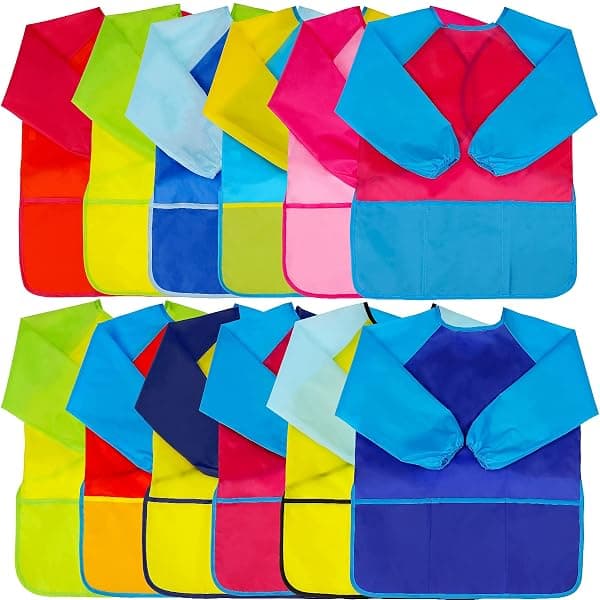
One decoration doubles as damage control: plastic long-sleeve art smocks, handed out the moment guests arrive, before anyone touches paint. Put them on early, not right before painting starts; kids will dip a sleeve in watercolor the second you look away. Budget one per child plus a couple of spares.
The Main Activity: Painting Stations for Every Age
This is what makes an art party different: there’s no games section, because the activity is the entertainment.
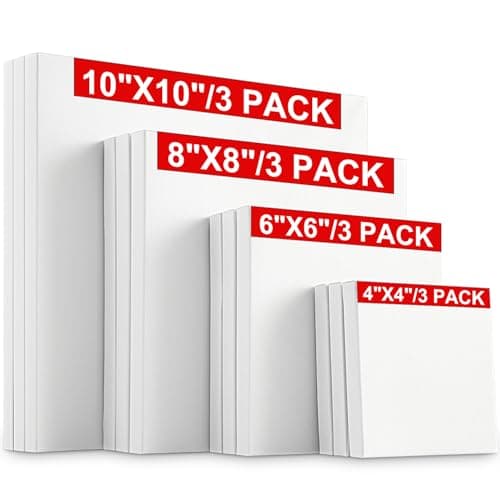
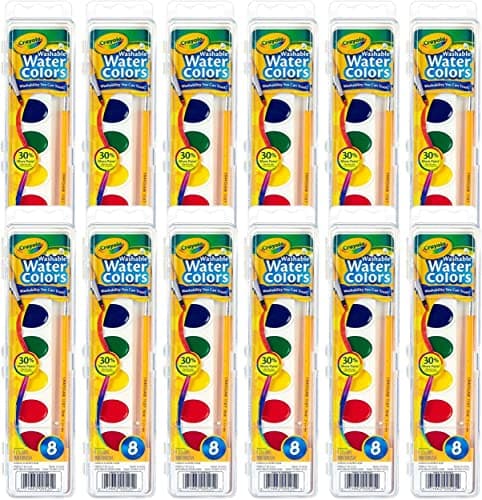
Set each place with a mini stretched canvas (sizes run 4 to 10 inches in an assorted pack, big enough to feel real and small enough to finish in half an hour), a watercolor paint set, two brushes (one wide, one fine-tip), a water cup, and paper towels. Give a thirty-second demo (wet the brush, pick a color, paint whatever you want), then step back. Instrumental music helps (lyrics pull attention off the canvas), and circulating with encouragement rather than instructions keeps the room calm and the paintings better.
For mixed ages, canvas size and paint type do the adjusting, not the activity itself. Younger kids (4–5) do better with chunkier tempera paint and a larger canvas; older kids (7–8) can handle watercolor’s lighter touch and more detail. You don’t need two setups: have both paint types on the table and let kids pick based on age.
For early arrivals, a simple color-mixing experiment bridges the gap: three cups of food-colored water (red, yellow, blue) that kids combine to discover orange, green, and purple. Five minutes of genuine curiosity, and it keeps early guests busy without starting the main activity early.
Favors (and Gift Ideas) Kids Actually Want to Keep
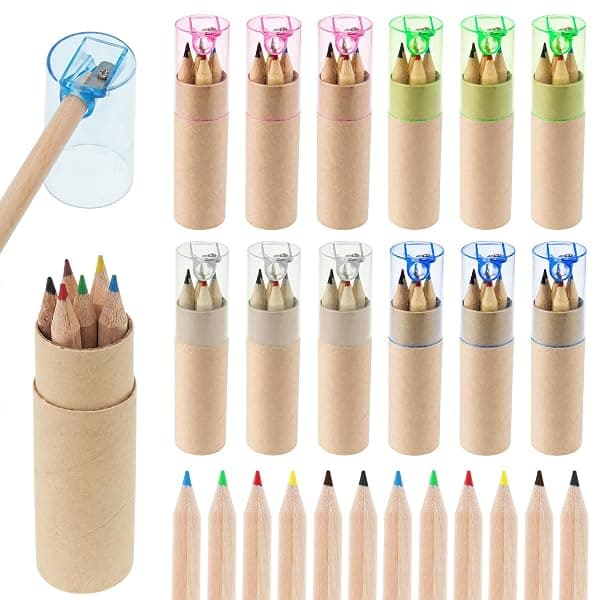
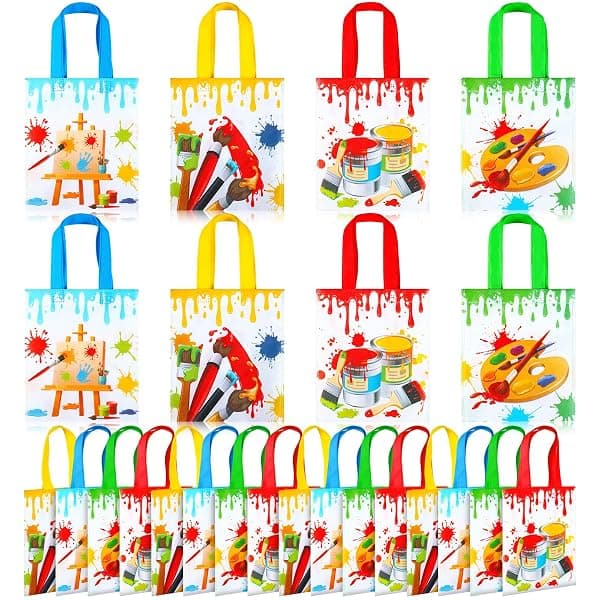
An art party’s favors are mostly built in by the time painting wraps up: the finished canvas is the favor. Send each child home with their canvas, the watercolor set they barely dented, and a small colored pencil set add-on, all packed into a kraft paper favor bag. It costs less than a bag of plastic toys and actually gets used, instead of hitting the trash on the ride home.
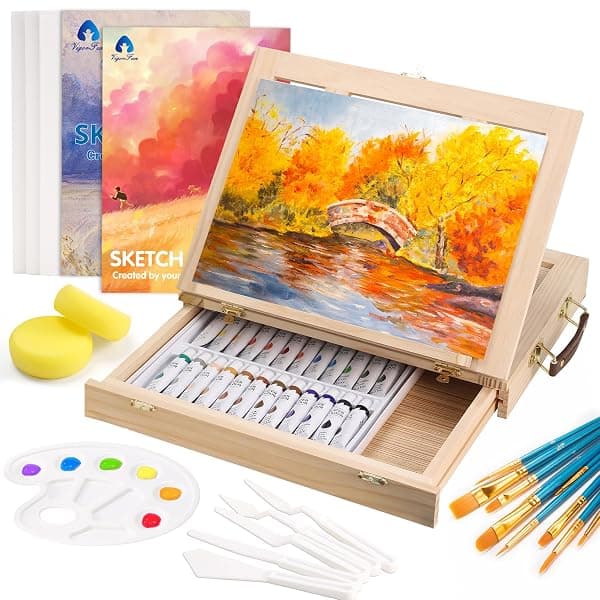
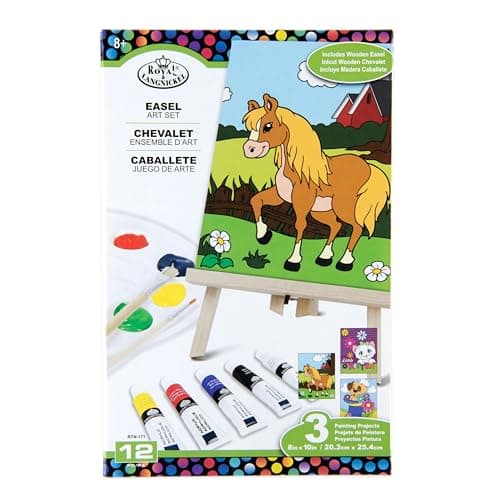
If guests ask what to bring, or you want a gift suggestion to pass along, keep it in the same lane. A Crayola Ultimate Art Case with Easel (markers, crayons, colored pencils, watercolors, a brush, and paper in one case) covers kids who want to keep creating at home. A wood easel art set with acrylic paints suits a kid ready to graduate from the party's washable watercolors to a more permanent paint, with a real wood tabletop easel and canvas boards to paint on. And a watercolor kit with a wooden tabletop easel splits the difference: a step up from a basic set without needing a dedicated art corner.
None cost much more than a typical party gift, and they stay on-theme instead of becoming another plastic toy.
A 90-Minute Art Party Timeline
This is the structure we use for 8 to 12 guests. It holds up well because the activity fills most of the middle of the party, leaving very little dead time.
- 0:00 to 0:20: Arrivals. Hand out smocks as kids walk in. Run the color-mixing cup experiment for early arrivals so nobody’s standing around.
- 0:20 to 0:55: Canvas painting. Quick demo, instrumental music on, adults circulate for encouragement (not direction). This is the longest block and the one kids remember.
- 0:55 to 1:05: Gallery opening. Kids sign the backs of their canvases and clip them to the gallery line. Each child gets a quick turn introducing their painting in a sentence.
- 1:05 to 1:25: Cake and food. Smocks come off before cake. Leave the gallery line up during the meal as a conversation piece for parents picking up early.
- 1:25 to 1:30: Favors and goodbyes. Give parents a five-minute heads-up before pickup starts so nobody’s rushing out the door mid-bite.
Ninety minutes is tight but workable for this age range: kids are engaged, not overstimulated, and you’re not stretching a single activity past the point it holds attention.
Invitations and Thank-Yous: Bookending the Party
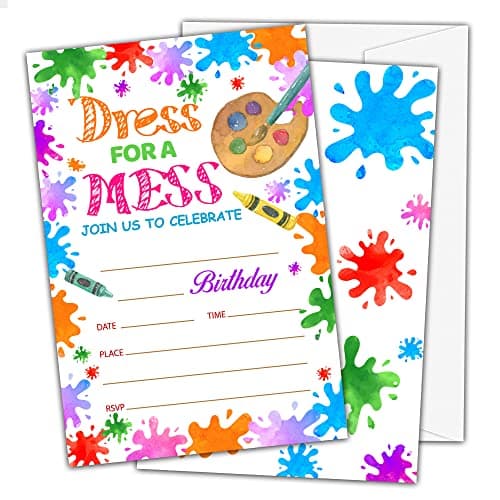
Keep both ends of the party simple and on-theme. For invitations, a fill-in paint palette or paintbrush-shaped card sets expectations fast. Add one useful line about mess: “Come ready to create, wear clothes you don’t mind getting paint on.” It saves a dozen texts the week of the party. A paint-splatter sticker seal on the envelope is a small, inexpensive touch that signals the theme before the card is opened.
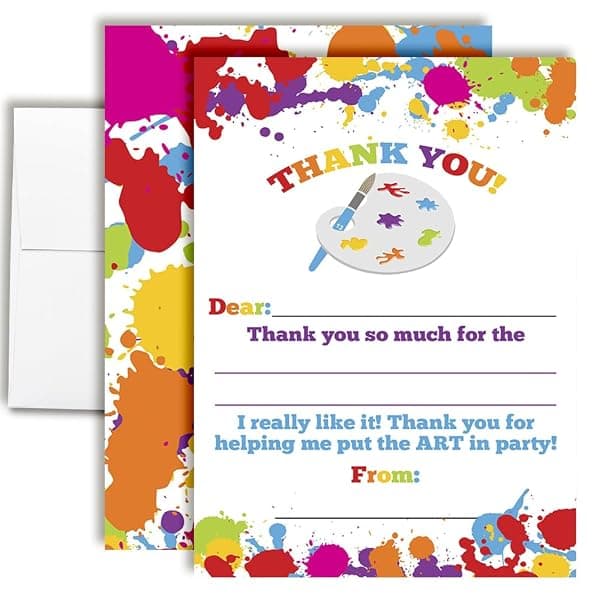
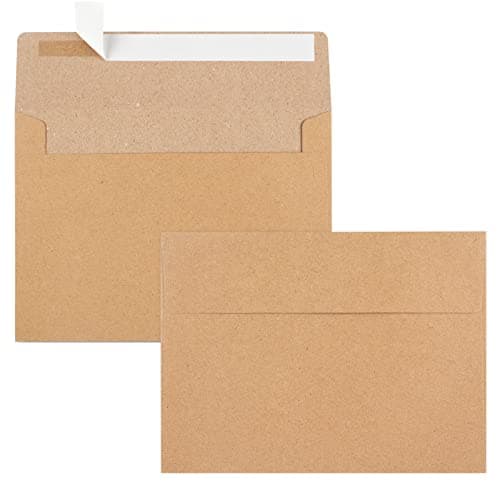
On the back end, send thank-you notes within a week while the party’s fresh. Younger kids (5–6) can draw a small picture with their new colored pencils instead of writing a sentence; kids 7–8 can write their own note. Fill-in thank-you cards matched to the invitation design keep things consistent, paired with kraft A2 envelopes. Optional: slip in a small print of the gallery painting, about 20 cents at a drugstore, for a keepsake.
Frequently Asked Questions
What are the best art birthday party ideas for kids who don’t want a mess?
Smocks and setup are your real answer, not avoiding paint altogether. Hand out long-sleeve plastic smocks the moment kids arrive, before anyone’s near a paint station. Cover tables with a plastic cloth or butcher paper, and keep the food table separate from the painting stations so wet hands and snacks don’t collide. Watercolor paint washes out of most fabrics far more easily than tempera or acrylic, so build the party around watercolor if mess is your top concern.
Does this work indoors, or do we need outdoor space?
It works well indoors, which is an advantage over a lot of other themes: you’re not weather-dependent. A dining table, playroom, or cleared-off kitchen table works for the painting stations. With outdoor space and good weather, a cleared patio table cuts cleanup time in half since drips land on concrete instead of carpet. Either way, the gallery line works the same strung indoors or across a porch.
How do I adjust this for younger kids, like toddlers, or for older grade-schoolers?
Canvas size and paint type do most of the adjusting. For toddlers and younger preschoolers, switch to large sheets of paper instead of canvas (less precious, easier without fine motor control) and use chunkier tempera paint for bold strokes. For kids 7 and up, watercolor on a real stretched canvas holds attention longer and allows more detail. Run both paint types at one table and let each child pick what suits them: no need for two party setups.
What’s a realistic budget for a party like this?
Most families can pull off the full party without anything specialty-ordered or custom. The core supplies (canvases, paint sets, smocks, gallery twine and clothespins, paper goods) come from one shopping trip or a single online order. The planning pack below breaks out a per-category price range to budget before you buy.
How many kids does this work best for?
Eight to twelve guests is the range to plan around. Fewer than eight and the gallery opening feels thin; more than twelve and you’ll want a second adult managing paint and water refills. The timeline above assumes one or two adults helping run stations.
Want the exact shopping list, agenda, and product picks matched to this plan? The Little Artist Paint Party Planning Pack has it all in one place: invitations, cake and food, decorations, the painting activity, favors, the full 90-minute agenda, and thank-yous. Shop once and follow the plan straight through.