Six is a funny in-between year. Your child can follow rules, wants to win, and notices when something looks babyish. They also still melt down when a game goes sideways. This is usually the first party with kindergarten or first-grade friends rather than cousins and neighbors, so the guest list is bigger and the crowd is more mixed: a couple of bold kids, a couple of quiet ones, and one who will cry if they come second.
The three themes below work because each has a real task to do, not just decorations. After them come the planning questions that tend to matter more than the theme. Each theme links to a full planning pack with the supply list and a minute-by-minute agenda, so this page sticks to how to choose.
Unicorn: The Magic Party
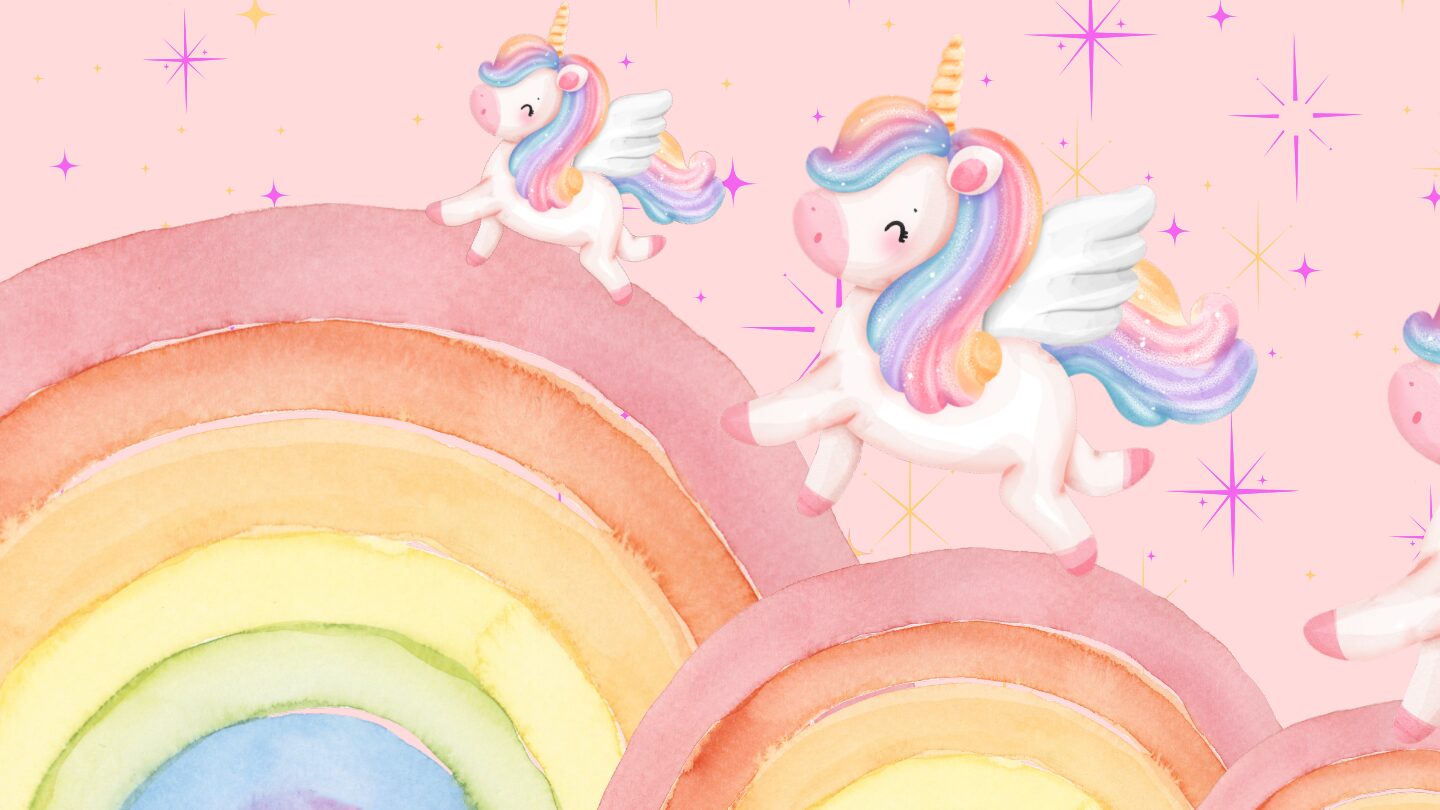
This is the pick for the child who draws rainbows on everything. It is also the theme closest to the top of its age range, so go in with your eyes open: the unicorn pack is written for ages 3 to 6, and a 6-year-old will tolerate a lot less cuteness than a 3-year-old. Keep the pastel decorations, but give the games a competitive edge.
The party opens with a headband craft. Each child decorates a foam headband with a horn, stickers, and ribbon streamers as they arrive, which takes about 10 minutes at this age (the pack budgets 15 for younger guests). It solves the early-arrival problem, and the headband doubles as the favor. After that comes pin the horn on the unicorn, and a rainbow ring toss as a third station.
Here is the six-year-old twist: keep score. Give the ring toss three rings per child and let them count their own points. Kids this age care about fair rules, and a game with no winner feels like a game with no point. Hand every child a sticker at the end so the scores do not sting.
The Unicorn Rainbow Party pack has the full agenda, and the unicorn party games guide has more game ideas for the older end of the range.
Enchanted Forest: The Fairy Woods Party
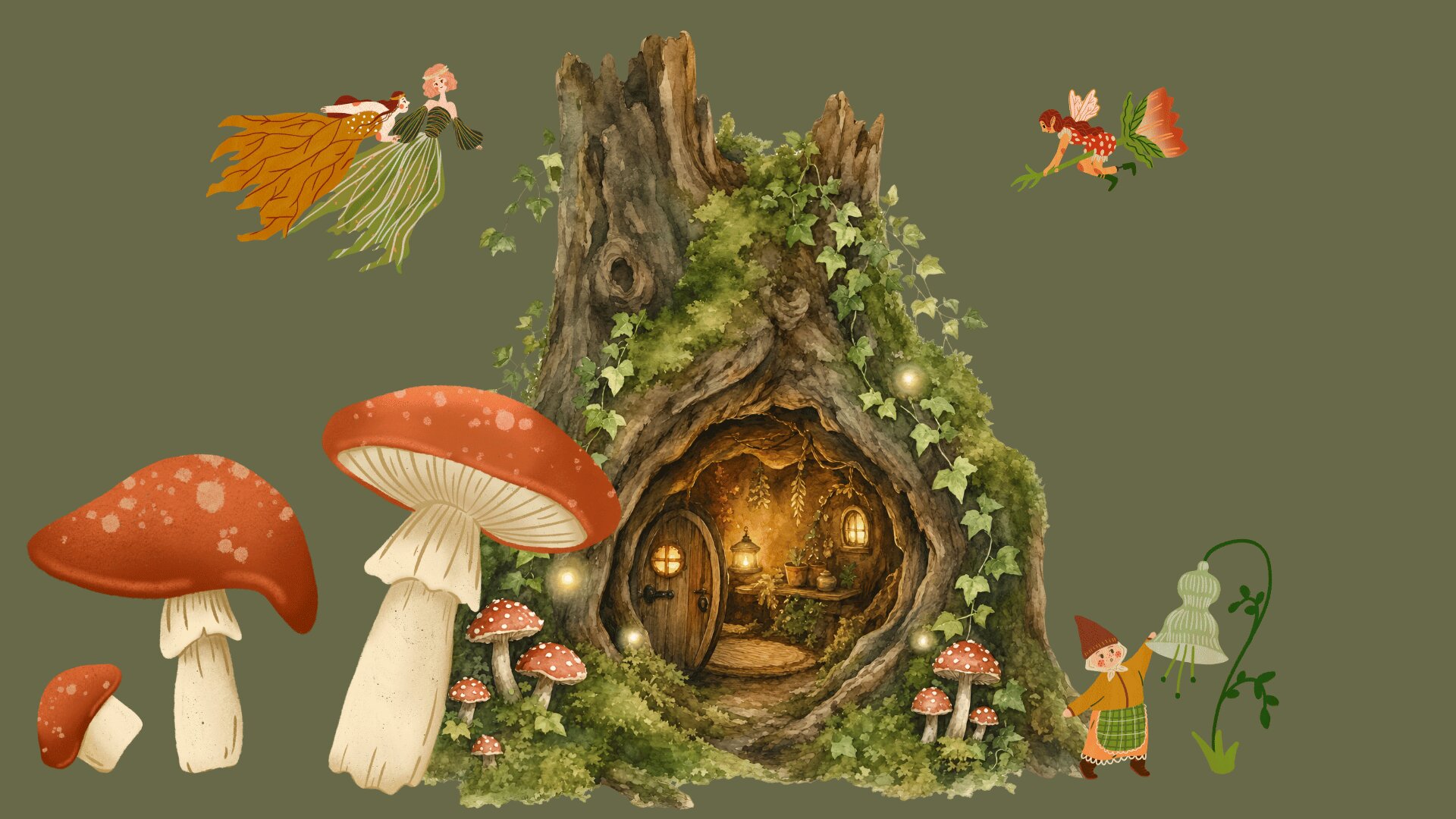
This suits the child who builds fairy houses out of sticks and wants every room dim and twinkly. It works indoors or out, needs no licensed characters, and the soft greens and fairy lights look good in photos without much spending.
The anchor is a fairy garden craft. Each child paints a small wooden fairy house, presses wooden mushrooms into a moss base, and takes it home. Plan 20 to 25 minutes. Six-year-olds can mostly handle the brushes themselves and get competitive about whose house looks the most magical, so give everyone the same supplies and say there are no wrong colors. Put craft paper under everything, because the paint is washable but it will spot clothes.
Then run a woodland scavenger hunt. Before the party, hide 15 to 20 small plastic animals (deer, foxes, hedgehogs, owls) around the room. Each child gets a list of five animals to find, and the first to find all five calls out “Found the forest!” At 6, you can pair kids up or let them hunt alone, but pairs are the safer bet for a quiet child who would otherwise stand in the doorway. A round of pass-the-pinecone with music fills any gap before cake.
The Enchanted Forest pack is written for ages 4 to 7, so 6 sits right in the middle. The enchanted forest party guide goes deeper on decor and food.
Camping: The Campout Party
This is the one for the child who wants an actual adventure, and it is the best of the three if your guest list is loud and active. Every camper gets a bandana to tie on their wrist when they arrive (6-year-olds can tie their own), plus a paper bag and a picture card for the scavenger hunt.
The hunt runs about 20 minutes: 8 to 10 things to find in the yard, such as a smooth rock, a yellow leaf, a feather, or something smaller than your thumbnail. At this age kids hunt on their own or in pairs, no parent needed, which feels like a promotion to a child who is used to being supervised. After the hunt, gather everyone in a circle for a campfire story where each child adds one sentence. Six-year-olds start building real story logic, and it is usually the funniest ten minutes of the day.
The s’mores are the big finish, and I would not do them over a real fire with this age group. The pack uses a tabletop electric roaster instead: one adult runs the station, two kids toast at a time, and each child eats right away. It is calmer, it is easier to supervise, and nobody gets a stick near their face. Keep wet wipes on the table. If the weather will not cooperate, the indoor camping guide covers a living-room version.
The Camping and S’mores pack has the full 90-minute run-of-show, and the camping party guide covers decorations and food.
How to Choose Between Them
Ask your child what they would do with a free Saturday. Drawing and dress-up points to unicorn. Fairy houses and quiet make-believe points to enchanted forest. Mud, bugs, and running points to camping. If your child is torn, let them pick between two of the three rather than facing a blank page.
Consider the room, too. Camping wants a yard (or a living room you are willing to give up). Enchanted forest and unicorn both work at a dining table in a small home, so they are the easier choice for a cold month.
The Six-Year-Old Planning Questions
How many kids? A common rule of thumb is the child’s age plus one, so 7 guests. Six-year-olds can handle more, and the camping pack is written for 8 to 12. Past about 8, bring in a second adult to help.
Do parents stay? By 6, most children are fine being dropped off, but not all, and some parents will not know your house. Say your plan on the invitation, and ask for a phone number and allergy information on the RSVP. Keep a few chairs and coffee out for the parents who do stay.
How long? Ninety minutes. All three packs use a 90-minute agenda with the main activity first and cake near the end. Six-year-olds can last two hours, but the last half hour is usually where the arguments start.
The whole class? This is the year it comes up. Many schools ask that you either invite everyone or send invitations outside school, so check the policy before you hand anything out. If you are not inviting the whole class, a common approach is to invite a small group and mail the invitations rather than sending them through backpacks. Send them about three weeks ahead and ask for RSVPs a week out.
What about food? Keep it simple: finger foods, a small cake or cupcakes, juice boxes. Ask about food allergies on the invitation before you buy anything, and check with that child’s parent about what they are comfortable with.
Frequently Asked Questions
What is a good birthday party theme for a 6-year-old?
Unicorn, enchanted forest, and camping all work well at 6 because each has a task kids can do on their own: a headband craft, a fairy house to paint, or a scavenger hunt. Pick the one that matches what your child plays at home.
How many kids should I invite to a 6-year-old’s birthday party?
About 6 to 8 is comfortable for one or two adults. If you invite a whole class, bring in a second adult to help and plan the activities to run in pairs or small groups.
How long should a 6-year-old’s birthday party be?
Ninety minutes is a good target. That is enough time for a craft or hunt, one or two games, and cake, and the kids are still having fun when parents arrive for pickup.
Do parents stay at a 6-year-old’s birthday party?
Often not, but it varies. Say on the invitation whether drop-off is fine, and ask for a contact number and allergy information when parents RSVP.